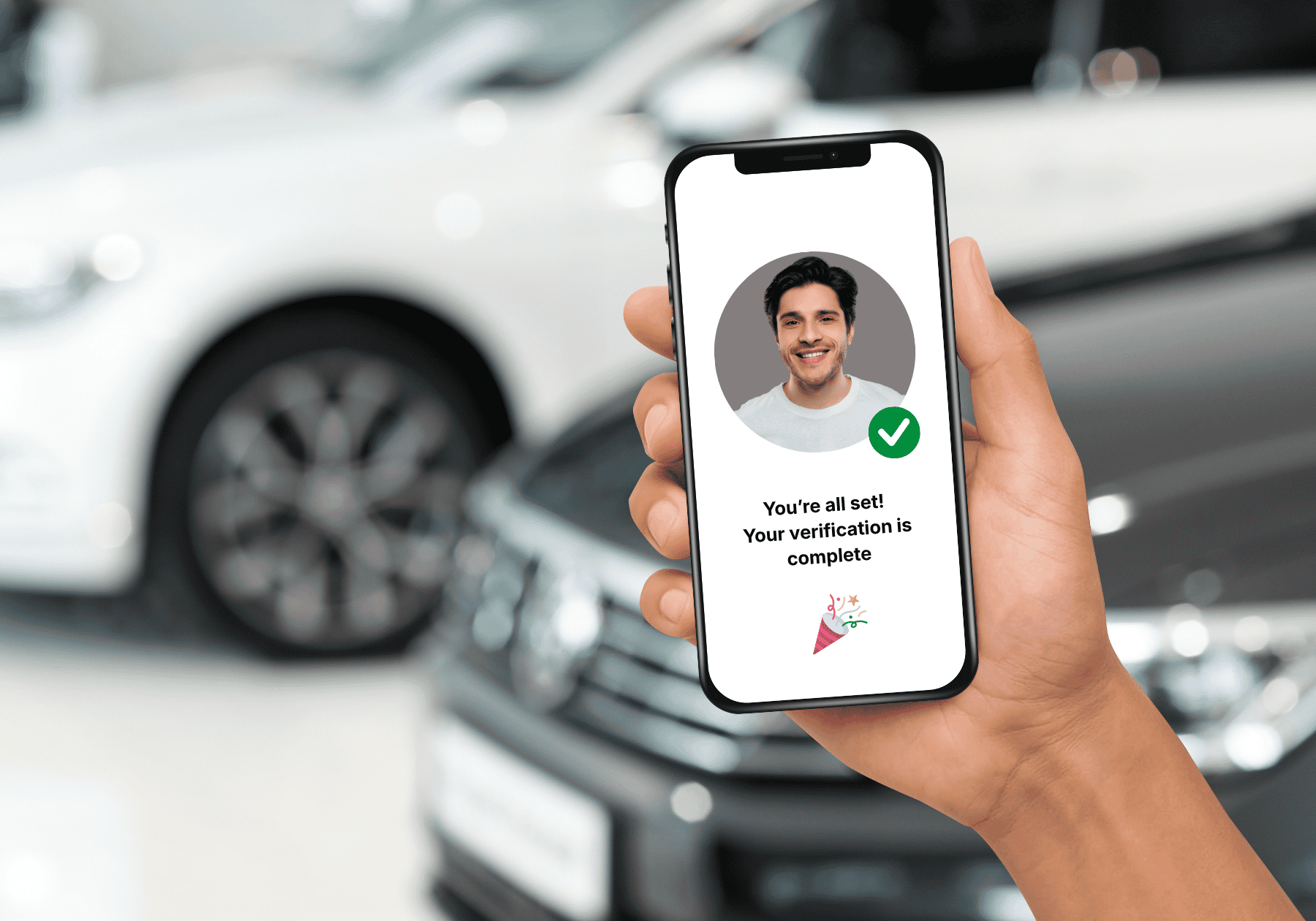
Driver verification is one of the first steps in every shared mobility journey. Learn how operators verify customers, reduce fraud, and choose between manual and automated verification.
Introduction
Launching a shared mobility service means making vehicles available to people you've never met. Whether you're operating a carsharing fleet, an e-scooter service, or a rental platform, every booking starts with one important question: can this person be trusted to use the vehicle?
That is why driver verification has become a standard part of modern mobility platforms. It protects operators against fraud, confirms that customers are legally allowed to drive, and creates a safer experience for everyone.
There is no universal approach to driver verification. Some operators prefer manual document review, while others automate the process from the start. The right choice usually depends on the available budget, team size, expected registration volume, and the overall operational model.
What is driver verification?
Driver verification is the process of confirming a customer's identity before allowing them to rent and access a vehicle.
In most mobility services, this includes checking:
- an identity document (passport or national ID)
- a valid driving licence
- age requirements
- whether the submitted documents are genuine and valid
- in some cases, a selfie or liveness check to confirm the customer's identity
This process is commonly referred to as Know Your Customer (KYC) and has become a standard practice across industries where identity verification is essential.
For operators, it starts with a simple question: can this customer be trusted to rent and drive the vehicle?
Why verification matters
Driver verification should protect the business without making the onboarding process unnecessarily complicated for customers.
Without proper verification, operators increase the risk of:
- fake or stolen identities
- expired or invalid driving licences
- underage drivers
- fraudulent bookings
- higher insurance and liability risks
At the same time, customers expect to get on the road quickly. Long waiting times or a complicated verification process can discourage new users before they even start their first trip.
The challenge is finding the right balance between security, operational efficiency, and a smooth customer experience.
Manual verification
Many operators, especially when launching a new mobility service, start with manual verification.
The process is straightforward. During registration, customers upload their identity documents and driving licence. An employee then reviews the submitted information, checks that the submitted documents appear valid, and decides whether to approve or reject the account. Depending on the operator's procedures, additional verification steps may also be carried out.
For businesses with a smaller customer base, this approach is often more than enough. It gives operators full control over the approval process and allows support teams to review individual cases whenever additional attention is needed.
As the business grows, however, manual verification can become increasingly time-consuming. Every new registration requires manual review, which can slow down customer onboarding and increase the workload for the support team, particularly during periods of high demand.
Automated verification
Manual verification works well for many operators in the early stages. As the business grows and registration volumes increase, many operators choose to automate the verification process.
Instead of waiting for a manual review, customers verify their identity during registration. Depending on the verification provider, the process may include automatic document checks, driving licence validation, selfie and liveness verification, and additional fraud detection measures.
Advanced verification solutions can also detect signs of document tampering, altered or manipulated images, screenshots, scanned copies, and other indicators that submitted documents may not be genuine.
For customers, the experience is significantly faster. In most cases, verification is completed within a few minutes, allowing them to start using the service without unnecessary delays.
For operators, automated verification reduces the workload on support and security teams, shortens onboarding times, and ensures a consistent verification process for every new customer.
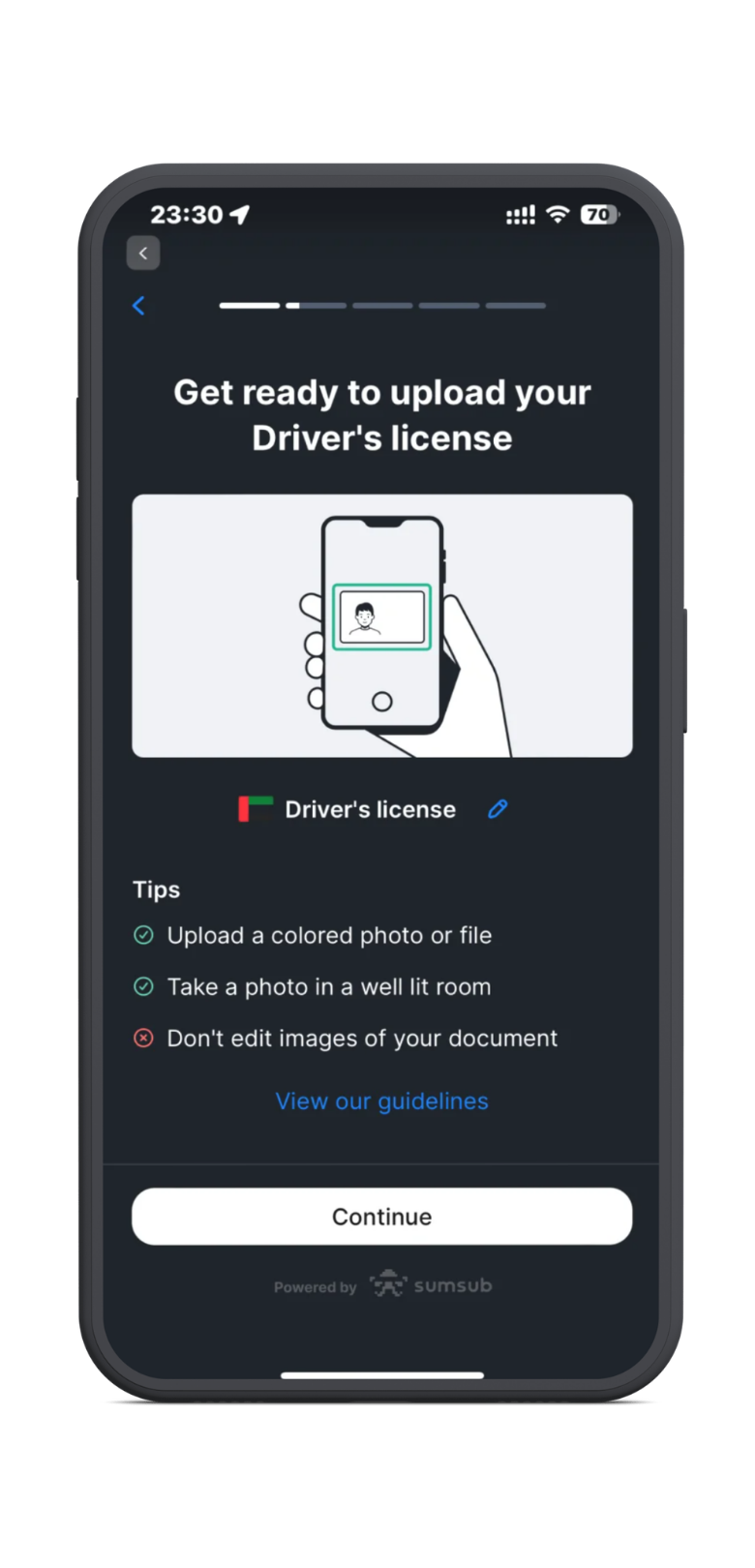
At CT Mobility, customer verification can be automated through integrations with leading identity verification providers such as Sumsub. The platform can also be integrated with local KYC and identity verification providers, allowing operators to choose the solution that best fits their market, regulatory requirements, and operational needs.
Automated verification helps reduce manual workload, speed up customer onboarding, and ensure a consistent verification process across every registration.
Manual or automated?
Both manual and automated verification are widely used in shared mobility, and each has its own advantages.
Manual verification is often a practical solution for operators launching a new service with a relatively small customer base. It requires no additional verification provider and gives teams full control over the approval process.
Automated verification becomes increasingly valuable as registration volumes grow. It shortens onboarding times, reduces administrative work, and allows support and security teams to focus on more complex cases instead of reviewing every document manually.
Many mobility businesses start with manual verification and introduce automation as demand grows.
How CT Mobility supports driver verification
CT Mobility gives operators the flexibility to choose the verification process that best fits their business.
For operators who prefer to manage approvals internally, the platform supports manual verification with no additional verification provider or licensing costs. Customers upload their identity documents and driving licence during registration, while employees review the submitted information directly through the fleet management platform before approving or rejecting the account.
For businesses looking to automate onboarding, CT Mobility offers integration with Sumsub and can also connect to local KYC providers when required.
Supporting both approaches allows operators to choose the workflow that fits their business today and adapt it as their operations grow. This means operators can start with built-in manual verification and introduce automated KYC later without changing their overall onboarding workflow.
Final thoughts
Driver verification is more than just another onboarding step. It is one of the foundations of a secure and reliable mobility service.
The right verification process helps reduce fraud, protect vehicles, simplify day-to-day operations, and create a smoother experience for legitimate customers. Whether approvals are handled manually or through an automated solution, the objective remains the same: making customer onboarding both secure and efficient.
As mobility businesses grow, verification should grow with them. Having the flexibility to combine the right technology with the appropriate operational workflow allows operators to scale with confidence while maintaining high standards of security and customer experience.
Launch your vehicle sharing app in just 15 days with CT Mobility!
No setup fees. Unlimited features.
Free trial period.




.png)