Car sharing is short-term, self-service rental of a car that many people share. You sign up once, find a free car in an app, open it with your phone and pay by the minute, hour or kilometre, with fuel or charging and insurance normally included. You don't own the car, nobody drives you, and there's no rental desk.
Below is how a trip works from sign-up to the bill, the formats you'll meet, how it differs from carpooling, what to check about deposits and the contract, and what the operator needs behind the app. If you're weighing car sharing against a classic rental car, that comparison is in car sharing vs car rental.
What car sharing is: a definition
German law has one of the clearest definitions. The Carsharing Act (Carsharinggesetz) describes a car sharing vehicle as one offered to an open group of drivers under a framework agreement, at a time- or distance-based rate that includes energy costs, which customers can reserve and use on their own. Other countries word it differently or don't define it at all, but the everyday meaning is the same: shared cars, self-service, short trips.
You'll meet three formats:
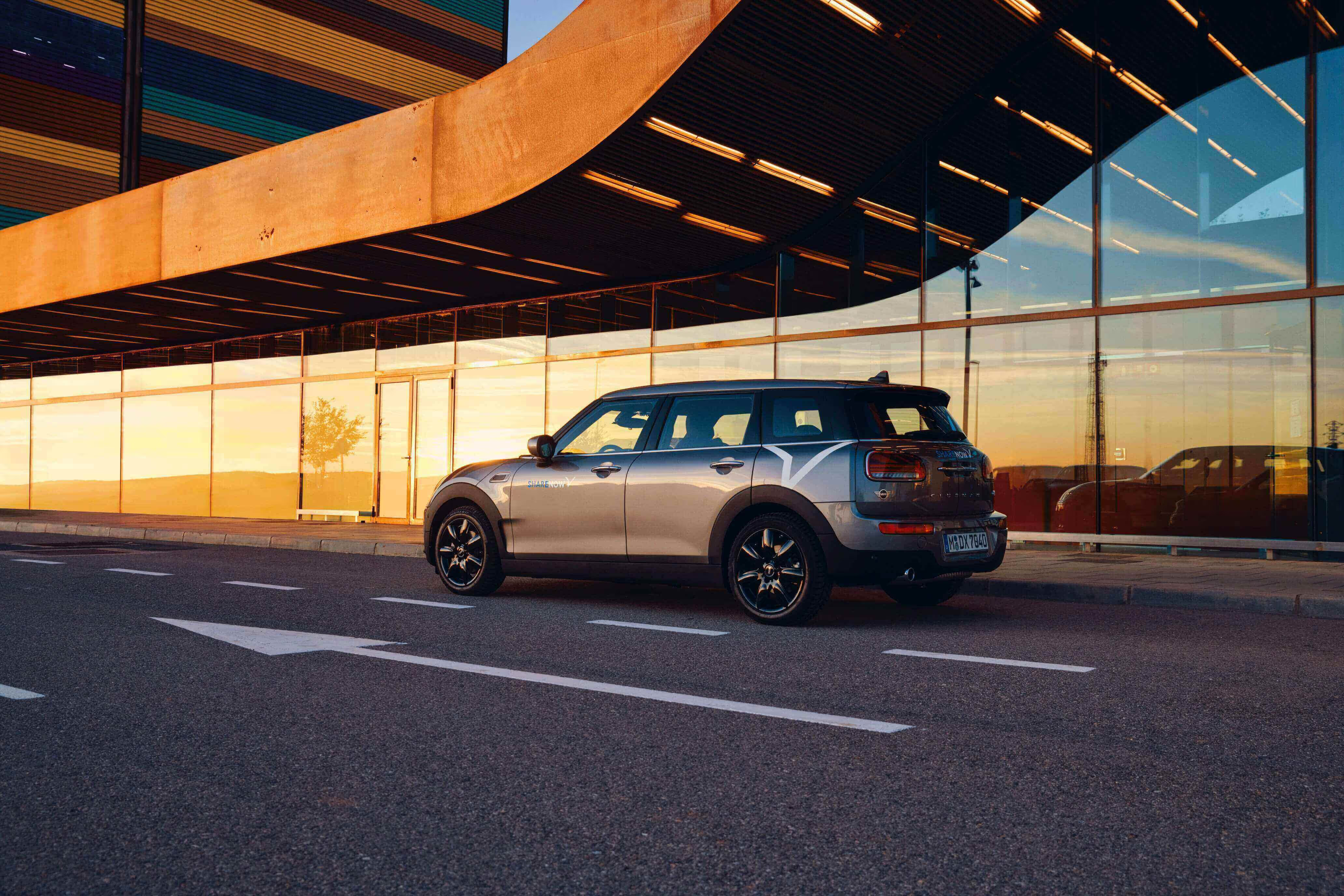
- Free-floating: you pick up the car on the street and leave it in any legal spot inside the operator's business area.
- Station-based: the car has a fixed bay. You reserve it ahead, often by the hour, and bring it back to a station.
- Peer-to-peer: private owners rent out their own cars through a platform that takes a fee. It's closer to private rental than to a fleet service.
Which one a city gets depends on parking rules, density and who the customers are. We went through the operator's side of that choice in car sharing formats and operating models.
How car sharing works, step by step
- Sign up in the provider's app: driving licence, ID, a payment card, accept the terms. The licence check can take minutes or a day, so do it before the day you need a car.
- Find a car on the map, or a free slot at a station. Some apps let you hold a car for a few minutes while you walk to it.
- Walk around it before you drive. Photograph scratches, dents and a dirty interior and report them in the app. Damage nobody reported can end up attached to your trip.
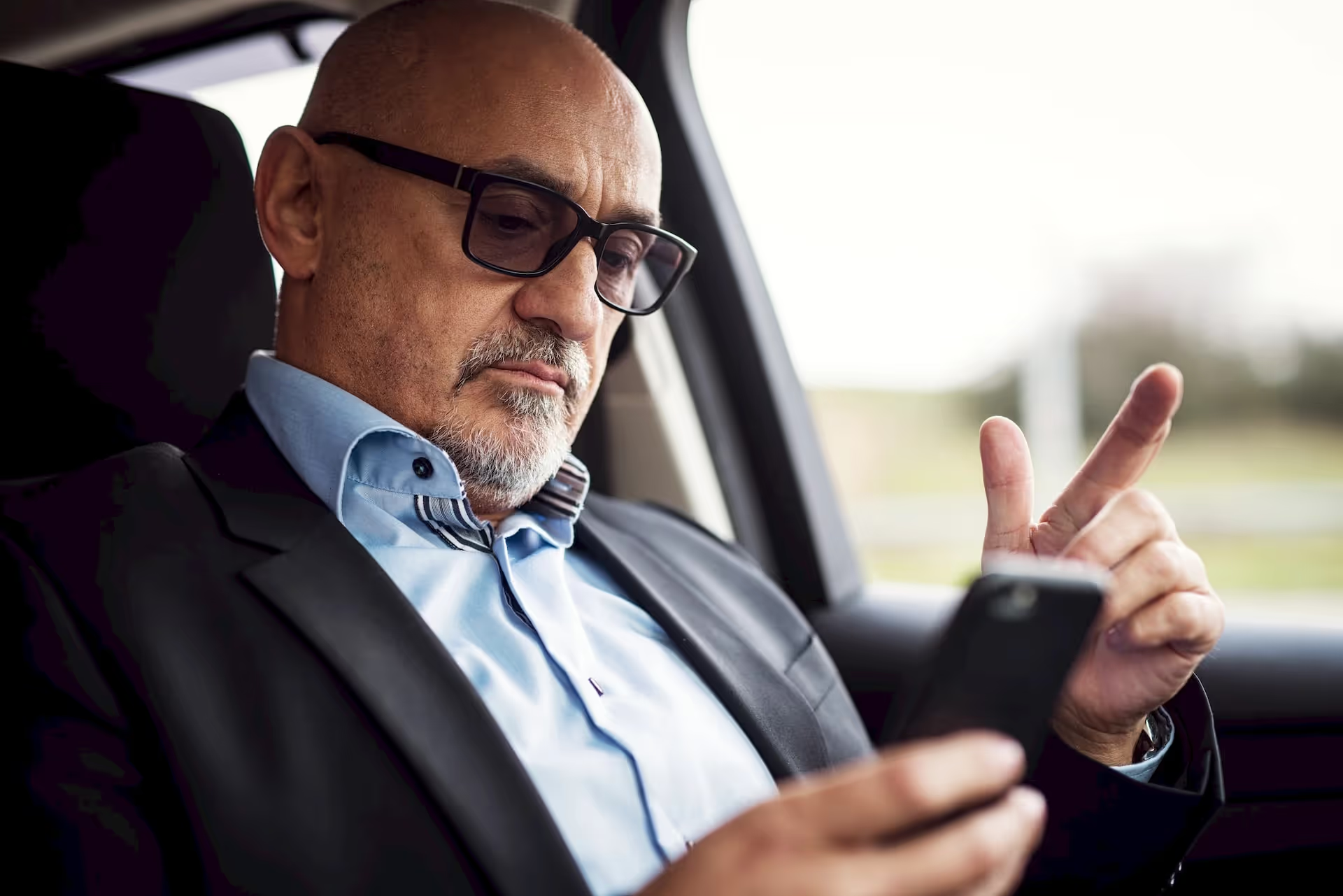
- Open the car with your phone. The app sends the command and the telematics unit in the car opens the doors. The key is either in a holder inside or not needed at all.
- Drive. The clock runs from opening to ending the trip; some tariffs include a set number of kilometres and charge for more. If you stop for a while, a parking mode keeps the car reserved for you at a lower rate.
- End the trip. Park legally inside the business area (or at the station), close the windows, put the key back, end the rental in the app. The app checks that the car is in the zone and locked before it stops the clock.
- Pay. The charge goes to your card automatically and the trip summary stays in the app.
What a trip bill looks like
An example with made-up tariffs, for the arithmetic only. Saturday morning in Munich, you take a compact car across town to collect a bookshelf you bought online.
| Line | Tariff | Amount |
|---|---|---|
| Drive there, 22 min | €0.29 per minute | €6.38 |
| Parking mode while loading, 15 min | €0.09 per minute | €1.35 |
| Drive back, 26 min | €0.29 per minute | €7.54 |
| 18 km driven | 50 km included | €0.00 |
| Total | €15.27 |
Two things can push a real bill up: ending the trip outside the business area, and a minimum charge or start fee on very short trips. Both are on the provider's tariff page.
Car sharing vs carpooling
People mix these up, in German (Carsharing or Mitfahrgelegenheit) as much as in English. The difference is who drives. With car sharing you drive a car you booked and pay for the time or the kilometres. With carpooling the car's owner drives and you share the trip costs. Ride-hailing, where you book a driver through an app like a taxi, is a third thing again. A side-by-side table is in our post on car sharing benefits for users, cities and companies.
Deposit, contract and insurance: what to check
Signing up creates a framework contract (the German Act calls it a Rahmenvereinbarung): you accept the general terms once, and every trip is a short rental under them. That's the document to read, more than the trip screen.
- Deposit. It depends on the provider: some charge a one-off registration fee, some put a temporary hold on your card at sign-up or before a trip, some take nothing. Ask whether the hold changes for new drivers or bigger cars.
- Excess. Insurance comes with the car, but there's an excess you pay if you damage it. Check the amount and whether you can reduce it per trip or per month.
- Age and licence. Each provider sets its own minimum age and minimum years with a licence.
- Fees: cleaning, smoking, ending outside the zone, an almost empty tank or battery, fines with a handling fee on top, a lost key card.
- Where you may drive. Trips abroad can be banned or limited to some countries.
Fuel and charging: if the tank or battery runs low during your trip, the terms say how to refuel or charge at the provider's cost. Follow that procedure, or you may end up paying for the fuel yourself.
Tips for your first trips
- Get the licence check done a few days before you need a car.
- Look at the business area on the map before you set off, especially if your trip ends in a suburb.
- Photograph the car before and after, including the dashboard with fuel level and mileage.
- Don't walk away until the app confirms the trip has ended. An open car can stay on your bill.
- For a full day or a weekend, check the day rate or a classic rental first; see the comparison linked at the top.
For operators: what car sharing telematics does
This part is for fleet owners. Every step above runs through a unit in the car and a platform behind the app. The main jobs of the telematics:
- open and lock the doors on a command from the app, once the platform has checked the booking, the user and the payment;
- allow or block the engine start;
- report GPS position, fuel or battery level and mileage, so the trip can be billed and the car found;
- confirm the car is inside the zone and locked before a trip can end;
- keep the car usable over Bluetooth in an underground car park with no signal.
The savings come from handovers and searching: nobody hands out keys, and the team sees where each car stands and how much fuel it has before driving out to it. How the parts fit together is in our article on keyless car access.
CT Mobility is white-label car sharing software: a rider app under your brand, an operator console, a technician app and keyless access through telematics, for free-floating, station-based and round-trip models. Photos before and after each trip are linked to the driver, and the team gets alerts about out-of-zone parking. If you're planning a service, contact us for a demo.
Launch your vehicle sharing app in just 15 days with CT Mobility!
No setup fees. Unlimited features.
Free trial period.